Monday, June 10, 2013

All in a flap!

Vote for your favourite 1920s dress

The 1920s are coming to Wakefield Museum but we are all in a flap!

Historic costume enthusiast Nicola Townend has been back with us to start preparing a 1920s display in our Dress to Impress case. Beaded flapper dresses are the order of the day, but Nicola can’t decide which one to use.

We have a short-list of three dresses, all from the 1920s, when jazz and the Charleston came to Wakefield.

Our current Dress to Impress display explores a night out in Wakefield in the 1820s

Nicola examines one of the dresses - we are spoilt for choice!


Pick your favourite by ticking the 'funny', 'interesting' or 'cool' reaction boxes under the dress picture you like the best. The dress with the most reactions by  Sunday 30 June will go on display at the end of July.


All in a flap - Dress 1

Vote on your favourite 1920s dress by clicking on any of the cool / interesting / funny buttons below!

Dress option 1
A plain black dress decorated with bead patterns and fabric strips, 1920s

All in a flap - Dress 2

Vote on your favourite 1920s dress by clicking on any of the cool / interesting / funny buttons below!

Dress option 2

Black dress with underskirts decorated with explosions of white beads

All in a flap - Dress 3

Vote on your favourite 1920s dress by clicking on any of the cool / interesting / funny buttons below!

Dress option 3
 
A pink dress decorated with glass beads and sequins, forming stylised flower  patterns,  1924-1927

Wednesday, June 5, 2013

Fun for 2-5 year olds!

Yesterday was full of fun out of the sun for the Crafty Crocs at Wakefield Museum.  Our theme this month was shapes.  We looked in the museum for squares, rectangles, circles and triangles using squishy shapes as our guide.


Back in the learning zone our crafty crocs designed some shape monsters and created a collage of shapes on to a picture of a Cayman.


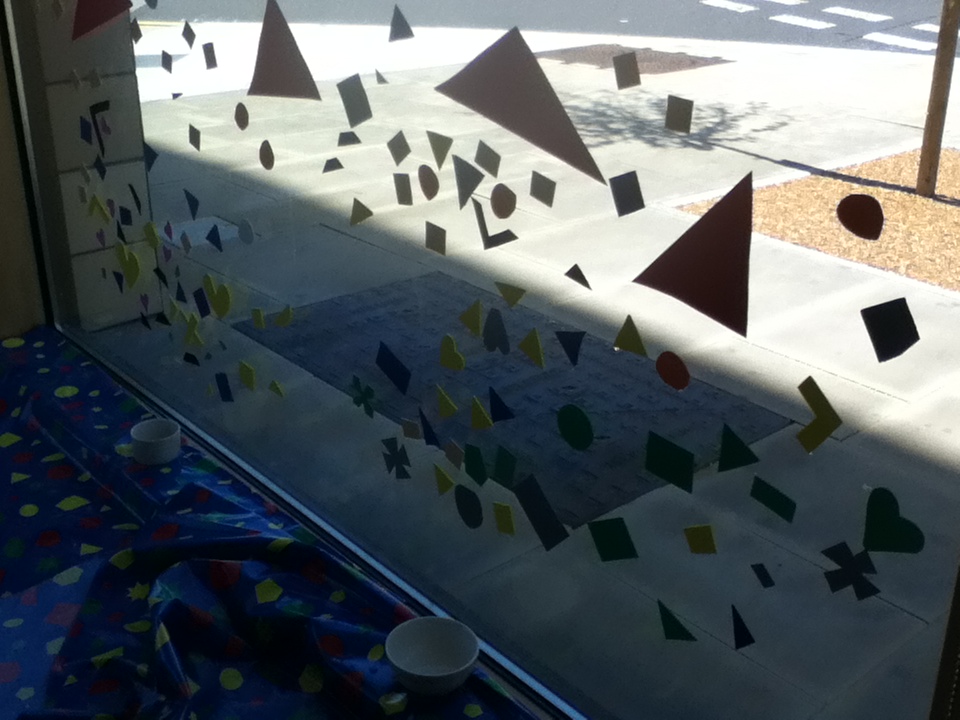
The best fun was had when we experimented with sticking foam shapes to a window with water – here are some of the pictures we created using our foam shapes.


The next Crafty Crocs sessions are on Tuesday 2 July 10 – 11am and 1:15 – 2:15pm booking on essential as places are limited.  Call 01924 302700 or e-mail 

Tuesday, June 4, 2013

West Yorkshire Textile Heritage Project

From April to June this year the West Yorkshire Textile Heritage Project team has been working with Wakefield Museum to preserve and share textile history collections.

The project is an innovative collaboration between Wakefield, Bradford, Kirklees and Calderdale local museum services and is funded by the Esmée Fairbairn Collections Fund. Over the coming year the project will create a Heritage Trail, a searchable online collections portal and a legacy of shared knowledge. The idea for this project came from local museums’ commitment to celebrating the region’s industrial heritage and sharing museum collections with the widest possible audience.

Wakefield Museum’s collection offers an insight into over 200 years of textile production. A review is currently underway which will create a clearer understanding of the collection’s significance to the Wakefield area and to the wider national and international story of industrial textile production.

In the nineteenth century Wakefield and it surrounding regions has a strong textile manufacturing sector with companies dealing in raw wool, spinning yarn, weaving cloth and producing reclaimed wool known as ‘shoddy’. Some of the great objects in the museum’s textile heritage collection include fabric samples, sample books, advertisements, packaging and photographs which document everyday life on the mill floor.

A particularly interesting object is a Fowler & Co. Textile Calculator. This pocket-watch like object would have been used by weavers to calculate the relationship between ‘weft’, ‘loom’ and ‘dent’ and shows the intricacies involved in producing a piece of cloth. Fowler & Co. Calculators was a Manchester company originally founded as the Scientific Publishing Company in 1898 by William Henry Fowler. They were a well known manufacturer of circular slide rules and made a range of instruments for use in the textile industry. Today computer scientists study Fowler & Co. products as they investigate the history of computing.

Fowler & Co. Textile Calculator
Another highlight of Wakefield Museum’s collection are knitting patterns printed by companies based in the region, including: Sirdar, George Lee & Sons and Readicut Wool. This archive has been interesting to work with as it demonstrates the skill and pride which home-knitters brought to producing their own clothes. 

We’ve really enjoyed wondering at some of the fantastic models’ poses and sometimes impractical woollen outfits! 

Readicut patterns
Anyone working on their own pair of cable knit trousers? These patterns have inspired us to start planning some knitting activities for Wool Week (14-20 October) so have your knitting needles at the ready!

Take a look at the West Yorkshire Textile Heritage blog for more information about the collections review and textile history. 

You can also find the West Yorkshire Textile Heritage Project on Facebook and Twitter.

Monday, June 3, 2013

Fun for families over half term holidays

We have had a busy half term delivering a variety of workshops to children aged 2 upwards across the district.


“. . .  really enjoyed it and facilities + staff were great. Thank you “

Families at Airedale Library had the chance to learn all about the fascinating, delicious and very very dangerous history of Britain's national drink. Along with the chance to look at some rarely-seen things from the museum collection, participants made their own teapot craft to take home!


At Wakefield Museum, families had a look at some mad-sounding medieval medicine, and recycling was the theme at Pontefract Castle.


 "We learnt about ancient rubbish and enjoyed making bows and arrows"

At Sandal Castle families learnt how Medieval folk would have made all their necessities from naturally sourced materials. Participants were invited to create some really cool things with natural materials at this fun workshop, including a bug village!

For the younger visitors to Wakefield Museum we created some food inspired art and crafts with oats, beans and peas – all food that was available in the medieval times.


“I liked the food project. It encouraged my daughter to think about which colour suited the different parts of her picture”


Our youngest visitors made sculptures and pictures from foodstuffs


Our next event is this Thursday, 6 June.  An adult talk 'A taste of living history: organic gardening today' by Bob Sherman.  6.30 in the Learning Zone, Wakefield Library and Museum.  No need to book.


Bob Sherman is Chief Horticultural Officer at Garden Organic, the national charity for organic growing, and has been gardening organically for nearly 40 years. He has been a regular contributor to gardening magazines for many years and has written and contributed to eight books.

Since 1996, he has had responsibility for Garden Organic's Heritage Seed Library (HSL), a collection of rare, historic and endangered vegetables, now including seed of more exotic imports that have been grown here through several generations by immigrants to the UK from all over the world.

The collection and purpose behind it are the focus of his talk, 'A Taste of Living History: organic gardening today'. The talk will explain the value of this heritage and show how organic gardening looks to the future whilst respecting the past.

This talk is part of the You Are What You Ate project, funded by the Wellcome Trust.